Abaya Fabric Guide: Nida, Crepe, Jersey and More Compared (No More See-Through or Sweaty Abayas)
See-through, sweaty, pilling abayas are the number one complaint from Muslim women - and it almost always comes down to fabric. This factory guide compares nida, crepe, jersey, linen-blend and formal abaya fabrics on opacity, breathability, drape and durability, so you spec the right cloth for your market.
Quick answer: For most everyday abayas, a good-weight nida (Korean nidah) or premium crepe gives the best mix of opacity, breathability and drape. Jersey is soft and comfortable but must be heavy enough to avoid clinging and pilling; linen and cotton blends breathe beautifully for hot climates but wrinkle; formal fabrics (satin, chiffon overlays, jacquard) suit occasion wear but need lining. The single most important spec is fabric weight/GSM and opacity - that is what stops an abaya being see-through or a "sweat factory".
Real buyer reviews are blunt about it: fabrics that are "see through, very itchy and very cheap", or synthetic materials "guaranteed to turn you into a sweat factory", and fitted blends that "pill very badly" after a few washes. Every one of those failures is a fabric choice - not bad luck. Here is how to choose the right abaya fabric for your market and never ship those complaints.
The three questions every abaya fabric must pass
- Is it opaque? Light colours and thin synthetics are the worst offenders. Always check opacity against skin tone and in daylight, not just on a flat table.
- Does it breathe? Cheap 100% polyester traps heat. Natural fibres and natural-blend fabrics keep the wearer cool - a genuine dealbreaker for Gulf, South Asian and summer markets.
- Will it survive wear and washing? Pilling, shrinking and wrinkling are what turn a first order into a refund. Ask about GSM, weave and wash performance.
Abaya fabric comparison
Nida / Korean Nidah
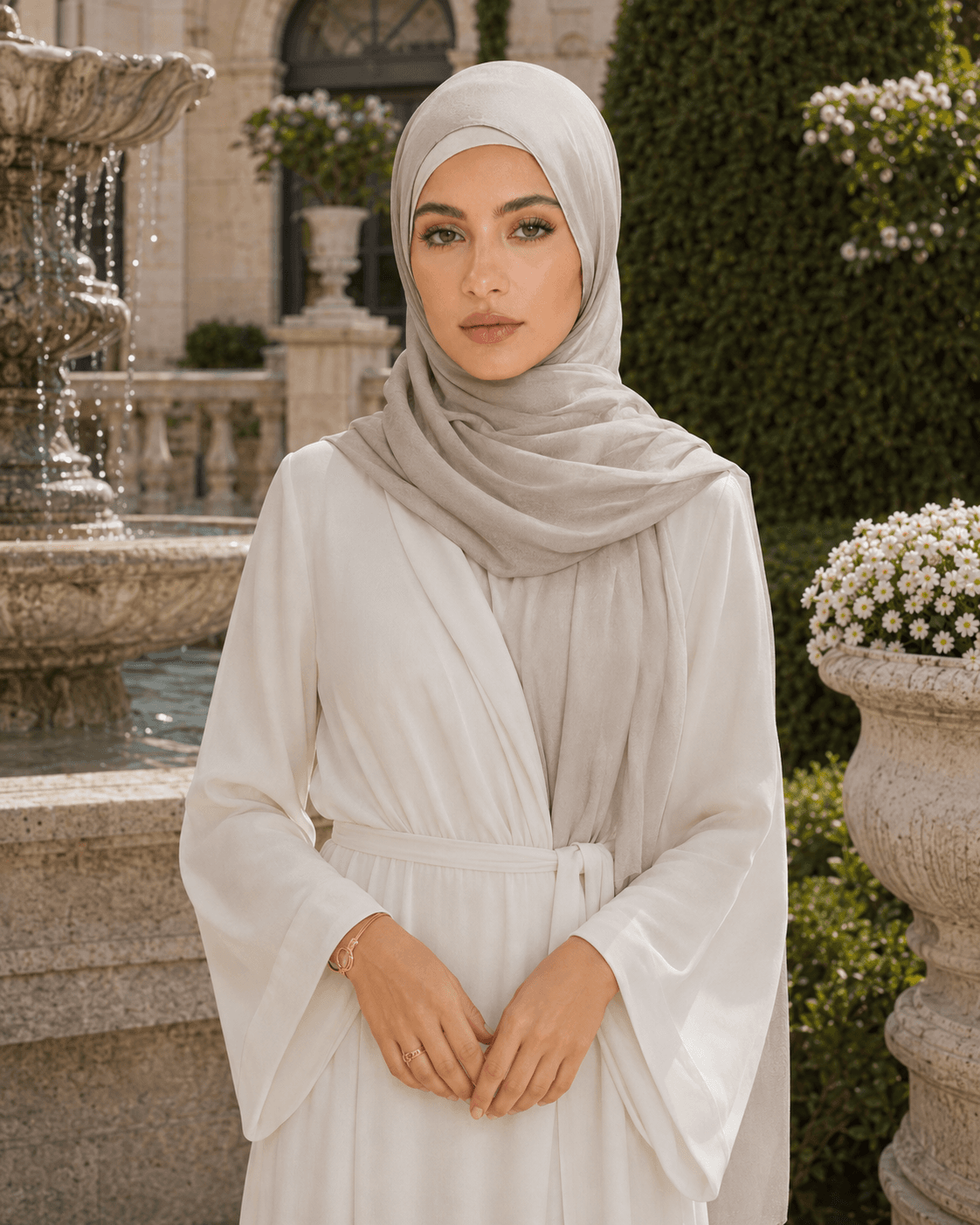
The workhorse of modern abayas. A smooth, matte, medium-weight fabric with excellent opacity and a soft, structured drape that hangs cleanly without clinging. Wrinkle-resistant and easy to care for. Best for: everyday and premium daily abayas across most markets.
Crepe (premium and bubble crepe)
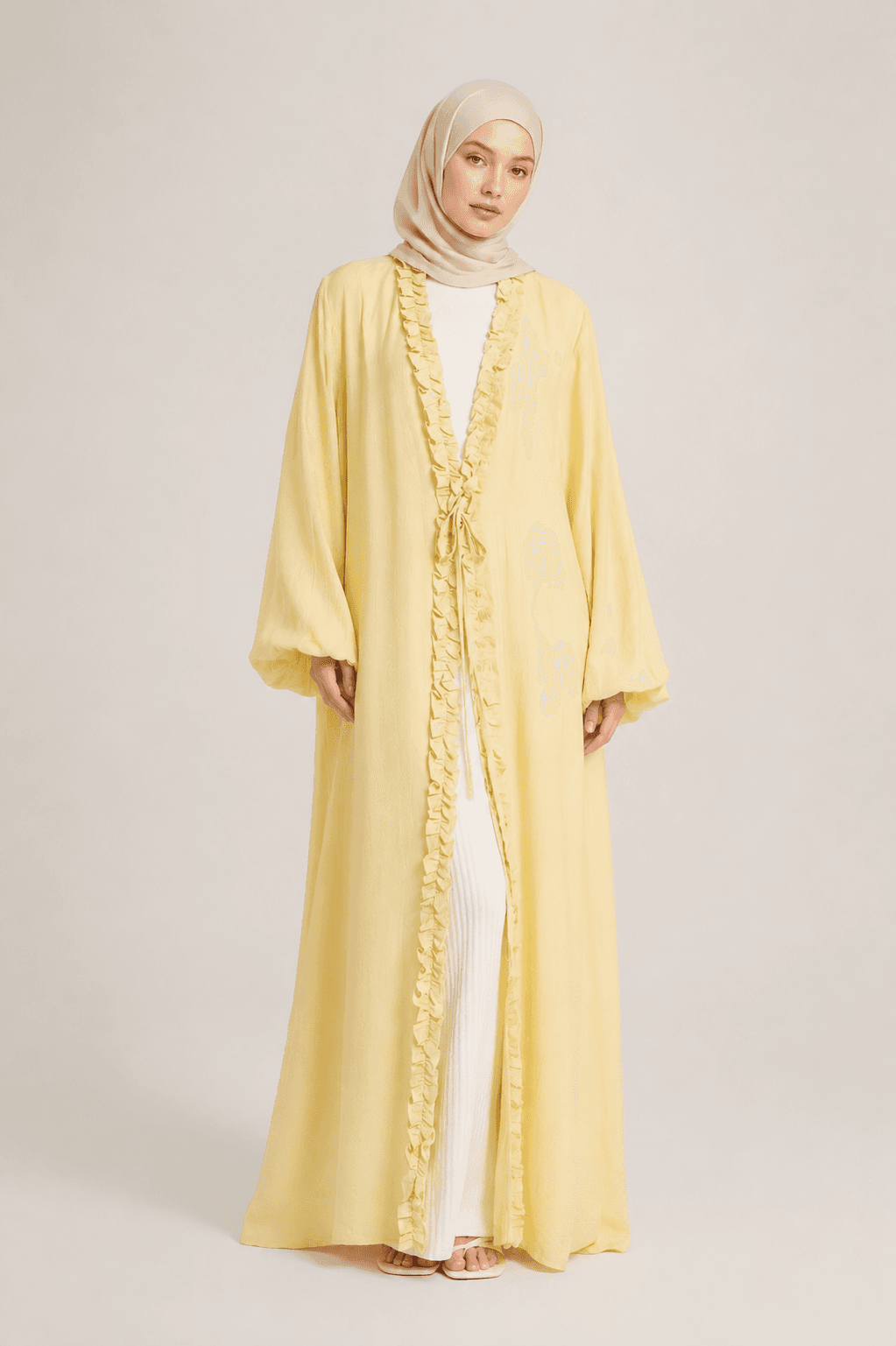
A lightly textured surface that hides creases and drapes fluidly. Premium crepes feel luxurious and opaque; cheaper crepes can feel thin, so weight matters. Best for: flowy, elegant abayas and open-front styles.
Jersey (viscose / cotton / bamboo blends)
Soft, stretchy and very comfortable. The risk is twofold: too light and it clings and turns semi-sheer; low-quality nylon/spandex blends "pill very badly" with friction. A heavier, quality-blend jersey solves both. Best for: casual, travel and relaxed abayas - specify a substantial weight.
Linen and cotton blends
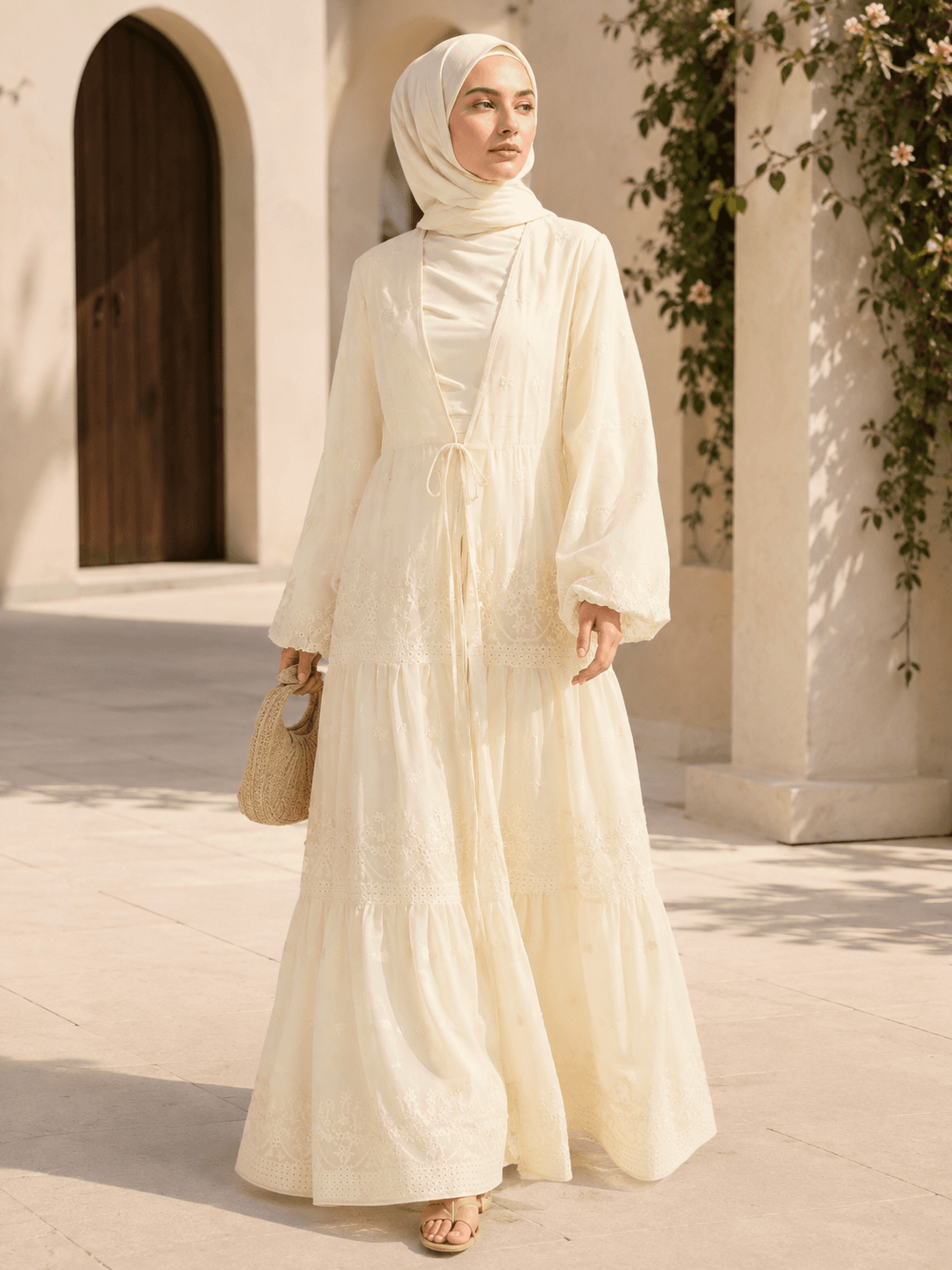
The most breathable option, ideal for hot and humid climates. The trade-off is wrinkling - a frequent buyer complaint on pure cotton/linen. Blending with a little synthetic improves wrinkle recovery while keeping breathability. Best for: summer, Umrah and hot-weather ranges.
Formal fabrics: satin, chiffon, jacquard, organza
For occasion and luxury abayas. Usually sheer on their own, so they need proper lining to stay opaque and comfortable. Best for: Eid, evening and high-end lines.
Fabric-to-problem cheat sheet
- See-through complaints - move up in GSM, avoid thin light-colour synthetics, add lining for sheer formals.
- "Sweat factory" / too hot - choose natural or natural-blend fibres (nida, crepe, cotton/linen blends) over cheap 100% polyester.
- Pilling - avoid low-grade nylon/spandex; use tighter-knit, higher-quality jersey.
- Wrinkling - blend linen/cotton with a wrinkle-recovery fibre, or choose crepe/nida.
- Itchy / cheap feel - reject harsh synthetics; hand-feel every sample.
How to spec fabric with your factory
Do not just say "black abaya". Specify: fabric name, GSM/weight, fibre composition, opacity requirement ("must not be see-through"), breathability target, and a Pantone colour code. Then request a fabric swatch or full sample and test it yourself: hold it to the light, stretch it, and hand-wash a piece to check shrink and pilling before you approve bulk. A real factory welcomes this; it is how quality standards get locked.
Frequently asked questions
What is the best fabric for an abaya?
For everyday wear, good-weight nida or premium crepe offers the best balance of opacity, breathability and drape. For hot climates, natural cotton/linen blends breathe best. For occasion wear, lined satin, jacquard or chiffon.
Which abaya fabric is the coolest for hot weather?
Natural cotton and linen blends are the most breathable. If you want less wrinkling, a light nida or crepe in a lighter weight is a good compromise.
Why do some abayas pill so quickly?
Pilling comes from friction on low-quality soft fabrics, especially cheap nylon/spandex jersey. A tighter-knit, higher-grade jersey or a crepe/nida largely avoids it.
How do I stop shipping see-through abayas?
Increase fabric weight/GSM, avoid thin light-colour synthetics, line sheer formal fabrics, and always test opacity in daylight against skin before approving.
The bottom line
Fabric decides whether your abayas earn five-star reviews or refund requests. Match the cloth to your market, spec weight and opacity explicitly, and test every sample. Arisava is a 10-year Muslim hijab & abaya factory working in natural-fibre and natural-blend fabrics - nida, premium crepe, quality jersey and breathable cotton/linen blends - with samples in 10-15 working days and a 50-piece MOQ, and we can build any style in the fabric your market needs. Browse our abayas, read our MOQ & fabric sourcing guide, or request fabric swatches and a quote.
Factory Direct
Request a Free Sample from Arisava
Everything covered in this article applies to your order. Our team responds within 24 hours with a full quotation and sample timeline.