Abaya Sizing Guide for Wholesale Buyers: How to Reduce Returns and Fit More Customers
Abaya returns often come from unclear sizing, not poor design. This guide helps buyers build a size range, product notes and sample process that customers can trust.
Why Abaya Sizing Is One of the Biggest Wholesale Risks
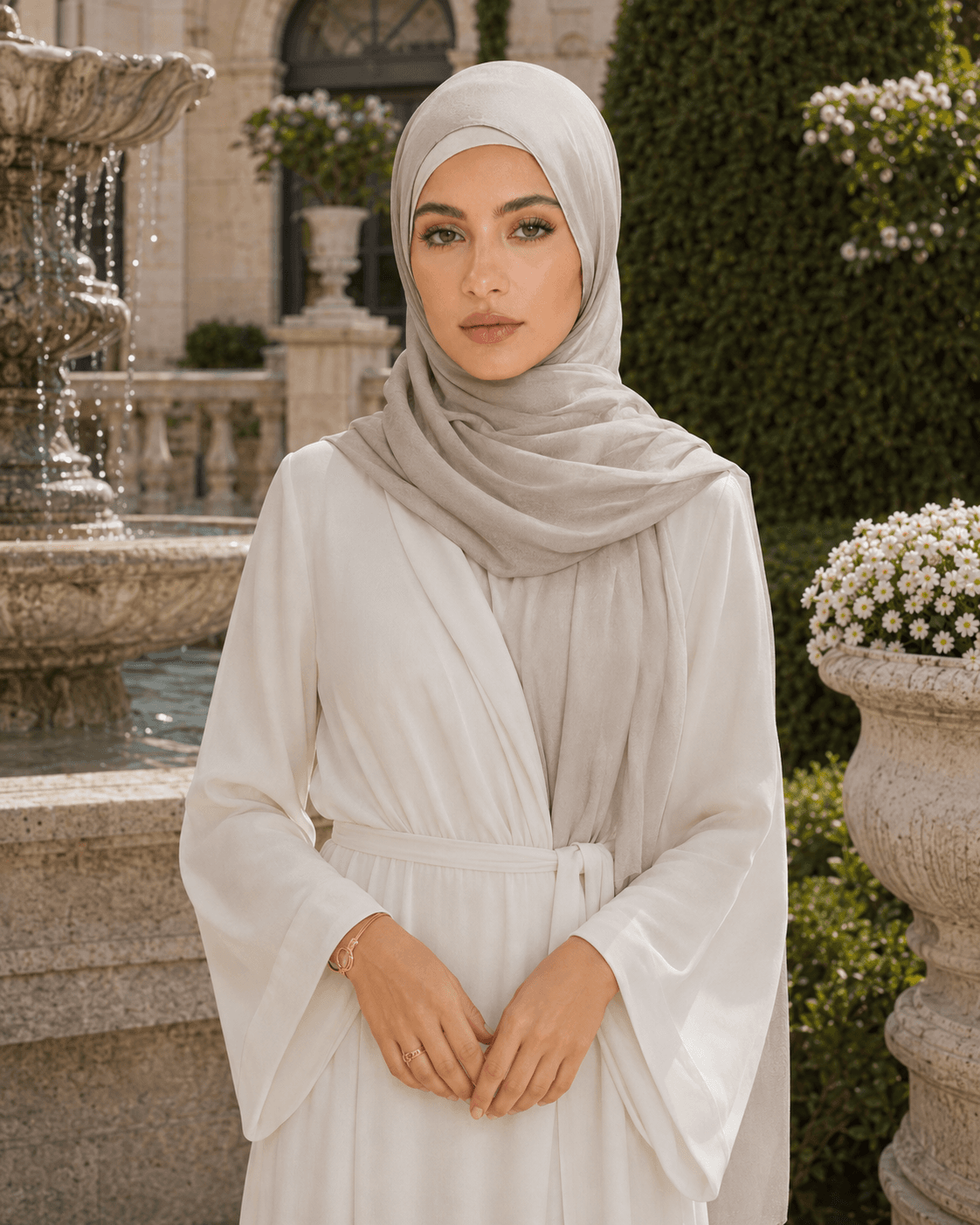
Muslim women buy abayas for different body types, heights, levels of coverage and styling preferences. One customer wants a loose open-front layer over jeans; another wants full coverage for prayer or daily wear; another needs a longer length for heels or Eid styling. When sizing is unclear, the product may be beautiful but still generate returns.
For wholesale buyers, sizing problems are expensive. Returns create freight cost, customer service pressure and lost trust. The solution is not simply adding more sizes. The solution is building a clear fit system before bulk production.
Start With Length, Not Only Bust Measurement
Many abaya buyers focus on bust or body width, but length is often the first fit issue customers notice. A garment that is too short can feel incomplete; one that is too long can drag, stain or require alteration. Ask your factory for front length, back length and sleeve length measurements for every size.
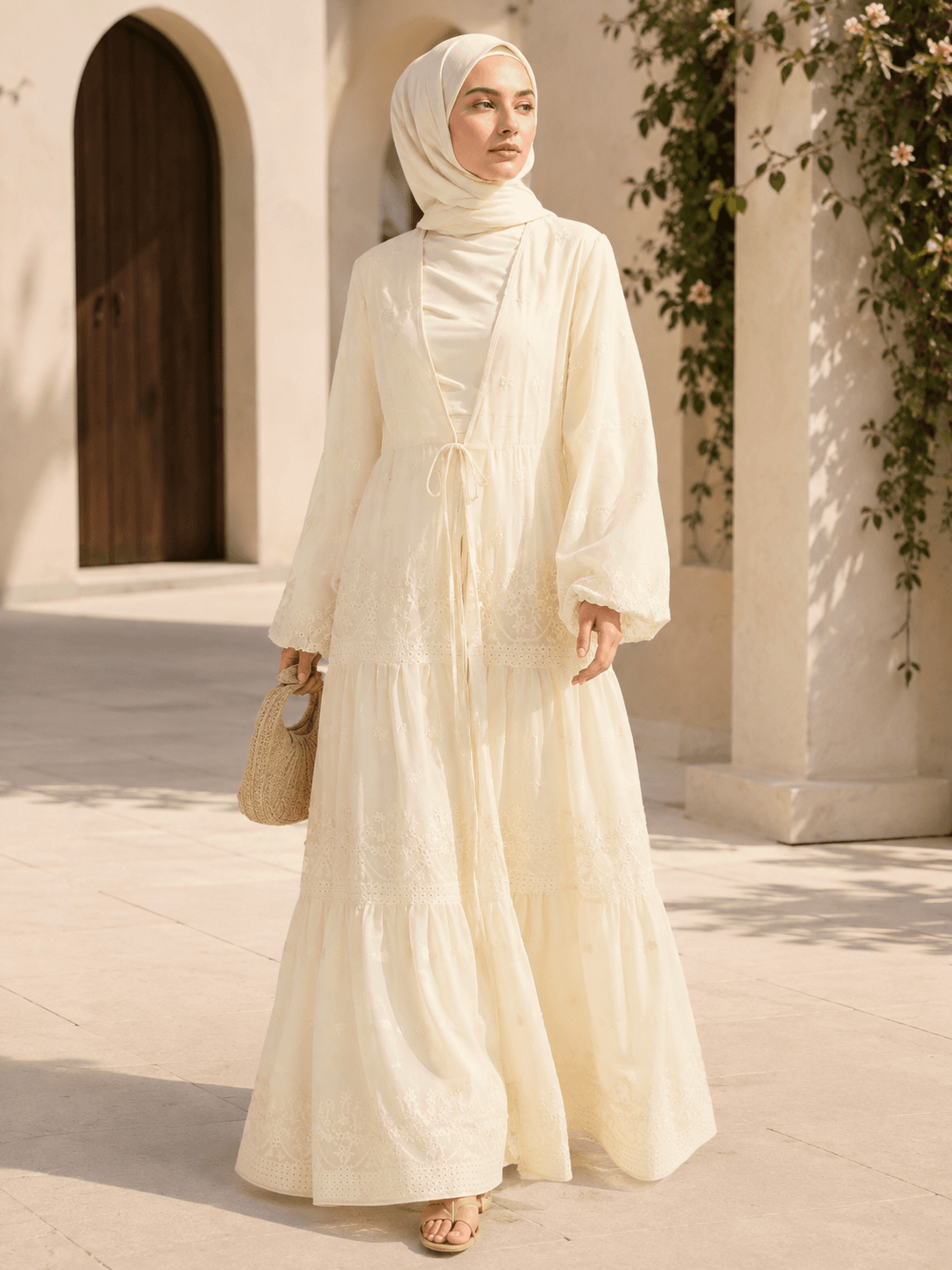
For online stores, publish model height and garment length clearly. This helps customers compare the abaya against their own preferred fit.
Understand Three Common Fit Profiles
- Relaxed everyday fit: Slightly loose, easy to layer, suitable for daily wear.
- Occasion fit: More dramatic volume, wider sleeves or embellished panels.
- Minimal open-front fit: Clean lines, designed to layer over trousers, dresses or inner slips.
Do not mix these fit profiles without explaining them. A customer may order her usual size and still feel the garment is wrong if the design intent is unclear.
What Buyers Should Ask the Factory
- Can you provide a full measurement chart before sampling?
- What tolerance do you allow in bulk production?
- Can we adjust length without changing body width?
- Can sleeves be widened or narrowed for different markets?
- Can you produce a size-set sample before bulk?
Measurement tolerance is especially important. A small variance may be acceptable in casual garments, but embellished abayas need tighter control because trims and panels make alterations difficult.
Inclusive Sizing Is Also a Brand Signal
Customers increasingly expect modest wear brands to serve different body types respectfully. This does not always require stocking every size from the first order. A practical first step is to choose styles that allow flexible fit: open-front abayas, adjustable belts, generous sleeves and clean shoulder construction. These designs can serve more customers with fewer size risks.
How to Plan Your First Wholesale Size Run
For a new buyer, avoid ordering too many colours and too many sizes at once. A safer approach is to select 2-3 core abaya styles, choose neutral colours, and test size demand with a controlled first order. Track return reasons carefully: too long, too short, tight sleeve, tight bust, too transparent, too heavy. This data should guide your second order.
Arisava's Recommendation
Before bulk, request a sample and measurement chart for every abaya style. Share your target market, average customer height and preferred fit. Arisava can support OEM/ODM adjustments for length, sleeve width, labels and packaging, helping wholesale buyers build abaya collections that fit real customers instead of generic size assumptions.
Factory Direct
Request a Free Sample from Arisava
Everything covered in this article applies to your order. Our team responds within 24 hours with a full quotation and sample timeline.