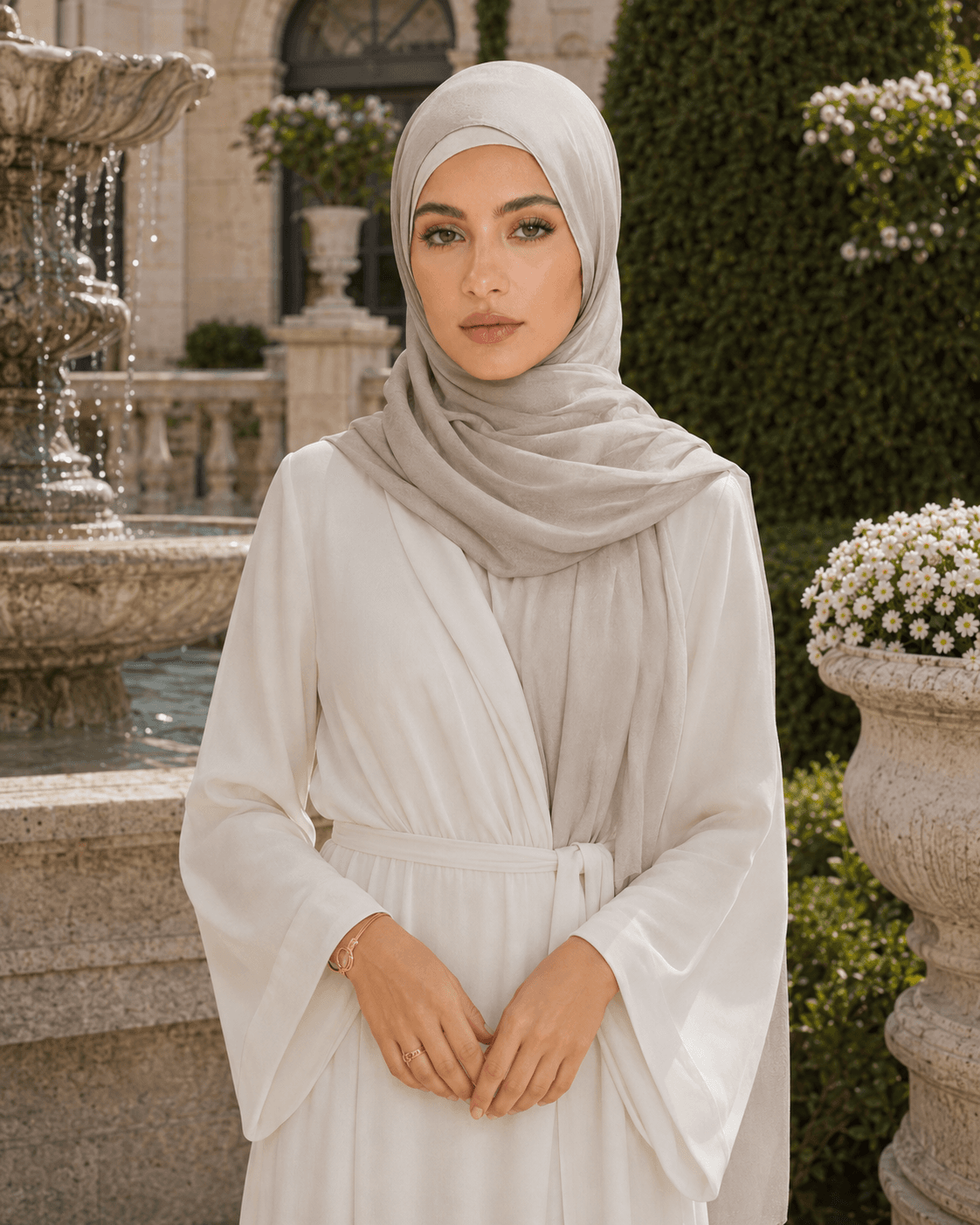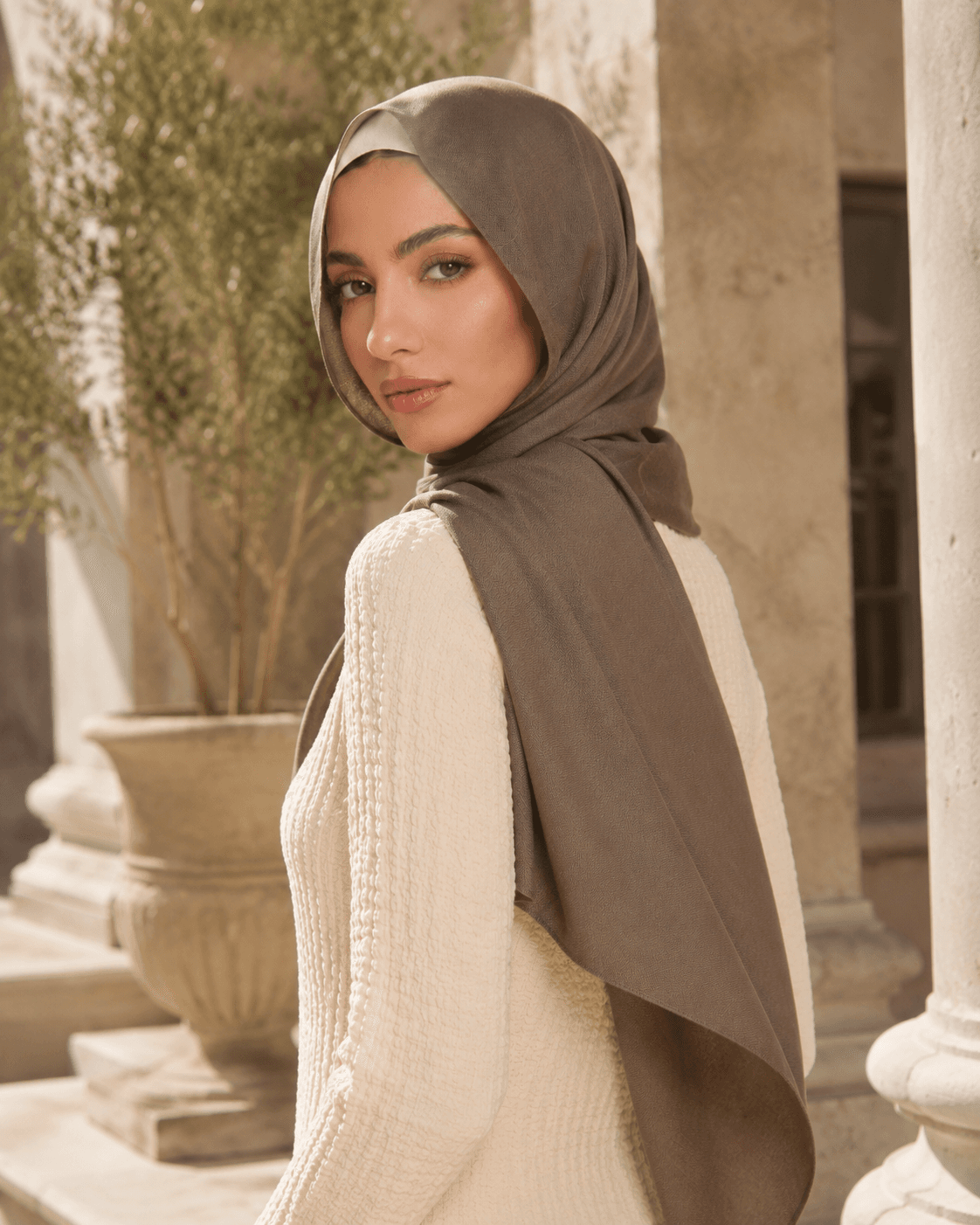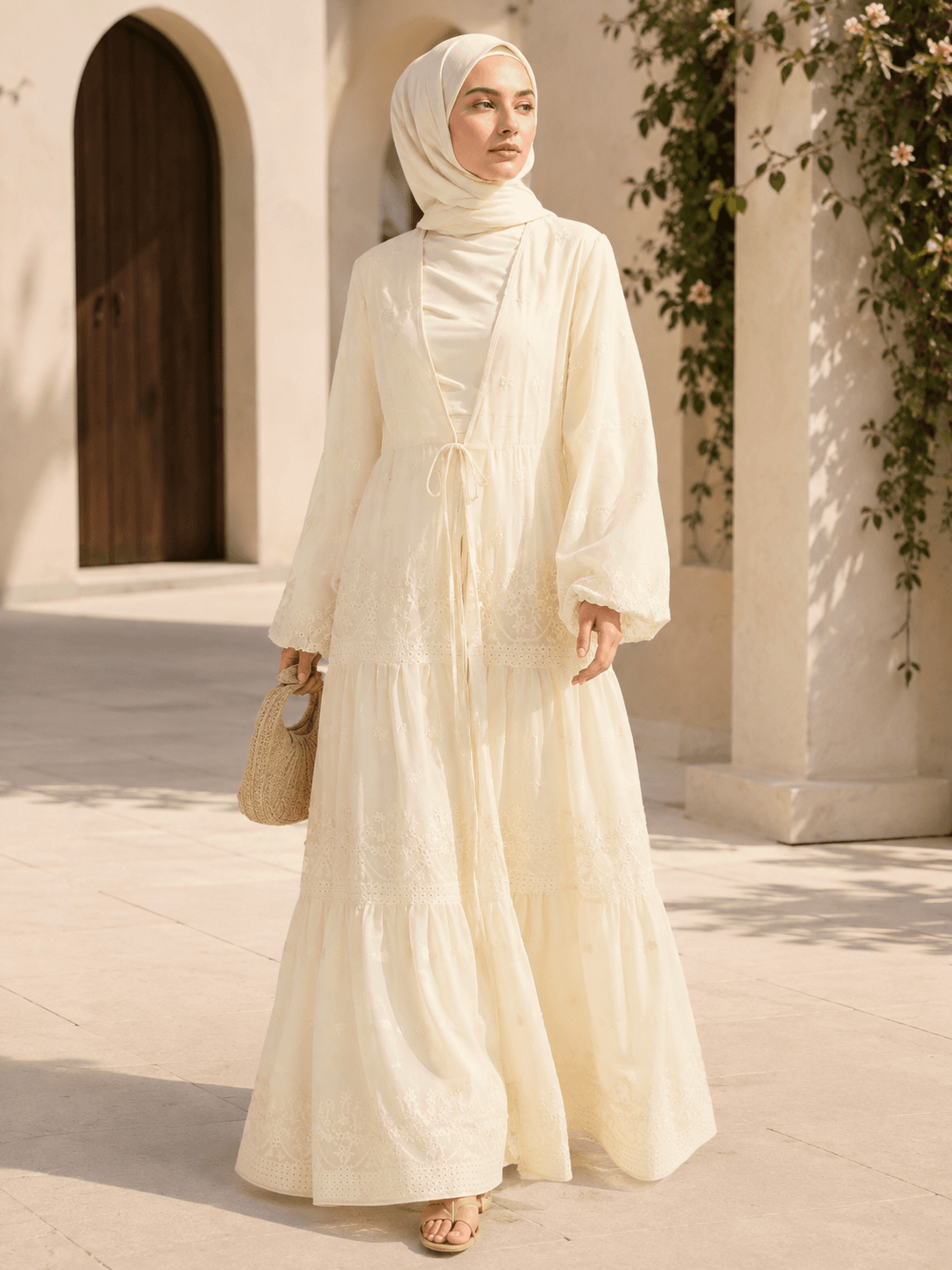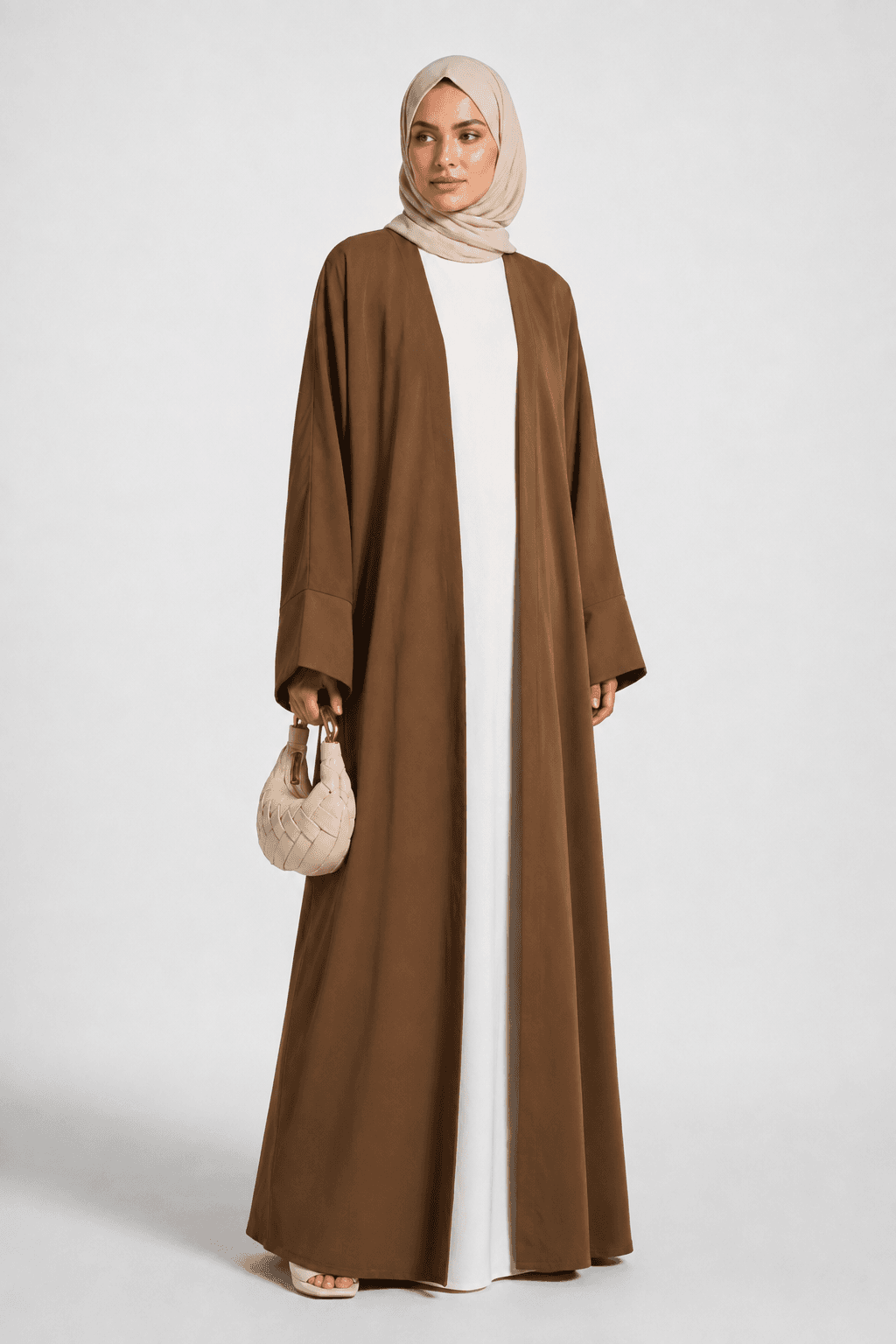
Custom & Private Label Abaya Manufacturer: A Brand Owner's Guide to OEM/ODM Production
Building a modest-wear brand means owning your design, your label and your quality — not reselling generic abayas with a sticker on the polybag. This guide explains exactly how custom and private-label abaya manufacturing works, what you can customize, and how to brief a factory so your first production run matches your vision.
Private Label vs. OEM vs. ODM: Know What You're Buying
These three terms get used loosely, and misunderstanding them leads to mismatched expectations. Here is what each actually means for an abaya brand:
- Private label — The factory produces from its existing designs, but with your branding: your woven label, hang tag, packaging and often your colour choices. Fastest route to market.
- OEM (Original Equipment Manufacturer) — You provide the design (tech pack, measurements, fabric spec) and the factory manufactures to it. Full control over the garment.
- ODM (Original Design Manufacturer) — The factory helps design the product with you, adapting its patterns and expertise to your brief. Ideal if you have a vision but not a full tech pack.
A capable factory supports all three. If a supplier only offers "your logo on our stock," that is private label at best — not true custom manufacturing.
What You Can Actually Customize on an Abaya
Real customization goes far beyond a label. When you work with a genuine abaya manufacturer, you can specify:
- Fabric & GSM — Nida, Korean Nida, premium crepe, jazz crepe, modal blends; weight tuned for opacity and drape.
- Colour matching — custom dye to a Pantone reference (critical for brand consistency across seasons).
- Cut & silhouette — closed abaya, open-front, butterfly, kimono sleeve, flared, straight.
- Sizing grade — your own size chart, including tall and plus ranges that competitors ignore.
- Details — embroidery, beading, ruffles, pockets (a frequently requested feature buyers complain is missing), zips and closures.
- Branding — woven labels, care labels, hang tags, polybags, boxes and tissue.
Why Brand Owners Move to Custom Manufacturing
Most brands start by reselling and hit a ceiling fast. Modest-wear buyers are vocal about what generic suppliers get wrong — a brand survey of shoppers named "the fabric, the fit, the lack of pockets, the pricing, the quality" as the things abaya brands most commonly botch. Custom manufacturing is how you fix all five at once: you choose the fabric, grade the fit, add the pockets, control the cost structure and set the QC standard. That is also what protects you from the "influencer brand" reputation problem, where customers complain of "LOTS of defective clothing" and refused refunds.
How to Brief a Factory (So the Sample Matches Your Vision)
The quality of your first sample is directly proportional to the quality of your brief. Provide:
- Reference images or sketches — front, back and detail views.
- A measurement spec — key points (shoulder, bust, sleeve, total length) per size.
- Fabric direction — composition, GSM and a physical swatch or Pantone code if possible.
- Branding assets — logo files, label placement, packaging preference.
- Target price and quantity — so the factory can suggest realistic fabric and construction.
A good ODM partner will come back with suggestions, not just a yes to everything. That collaborative feedback is a sign you're dealing with a real factory.
MOQ, Setup Costs & Pricing for Custom Abayas
Customization changes the economics. Plan for:
- Per-style MOQ: flexible factories start around 50 pcs per style; custom fabric or custom dye may raise the minimum.
- Setup costs: pattern making, custom labels and custom packaging usually carry one-time fees.
- Customization premium: custom colour or print typically adds 15–25% over base; private-label branding adds roughly 10–15%.
- Red flag: a supplier accepting complex custom work at "unreasonably low unit prices" or "10-piece custom orders with zero setup fees" is likely a reseller, not a factory.
Lead Times for a Custom Abaya Program
A realistic first-run timeline: tech-pack review and quotation in 1–3 days, custom sample in 10–15 working days, revisions in another 7–10 days, and bulk production in roughly 25–45 days depending on fabric sourcing and quantity. Build this into your launch calendar — especially for Ramadan and Eid, when you should confirm bulk orders months ahead.
Frequently Asked Questions
What's the difference between private label and OEM abayas?
Private label puts your branding on the factory's existing designs; OEM manufactures to your own design and spec. ODM sits in between, with the factory co-designing from your brief.
What is the MOQ for custom abayas?
Flexible factories start around 50 pcs per style, though custom fabric or custom dyeing can raise the minimum. Be wary of complex custom work offered with no setup fee and tiny MOQs — that usually signals a reseller.
Can I use my own size chart and add pockets?
Yes. A genuine OEM/ODM factory grades to your size chart (including tall and plus ranges) and adds functional details like pockets, which buyers frequently say are missing from competitors.
How much does customization add to the cost?
As a planning guide, custom colour or print adds roughly 15–25% over base, and private-label branding adds about 10–15%, plus one-time setup fees for patterns, labels and packaging.
The Bottom Line
Custom and private-label manufacturing is how a modest-wear brand stops competing on price and starts building equity in its own product. Choose a factory that supports true OEM/ODM, welcomes a detailed brief, and is transparent about MOQ and setup costs. Arisava is a factory-direct Muslim hijab and abaya manufacturer with 10+ years of experience, full OEM/ODM and private-label capability, custom fabric, colours, sizing, labels and packaging, a 50-piece MOQ and custom samples in 10–15 working days. See our custom & OEM services or send us your brief for a quote.
Factory Direct
Request a Free Sample from Arisava
Everything covered in this article applies to your order. Our team responds within 24 hours with a full quotation and sample timeline.