Custom Printed Modal Hijab Manufacturer: The Complete OEM Ordering Guide
A custom printed hijab is the fastest way for a modest-wear brand to own a look competitors can't copy — but only if the factory gets the print, the hand-feel and the colourfastness right. This is the complete OEM ordering guide, from artwork files to bulk delivery.
Why Custom Printed Modal Is a Brand's Best Weapon
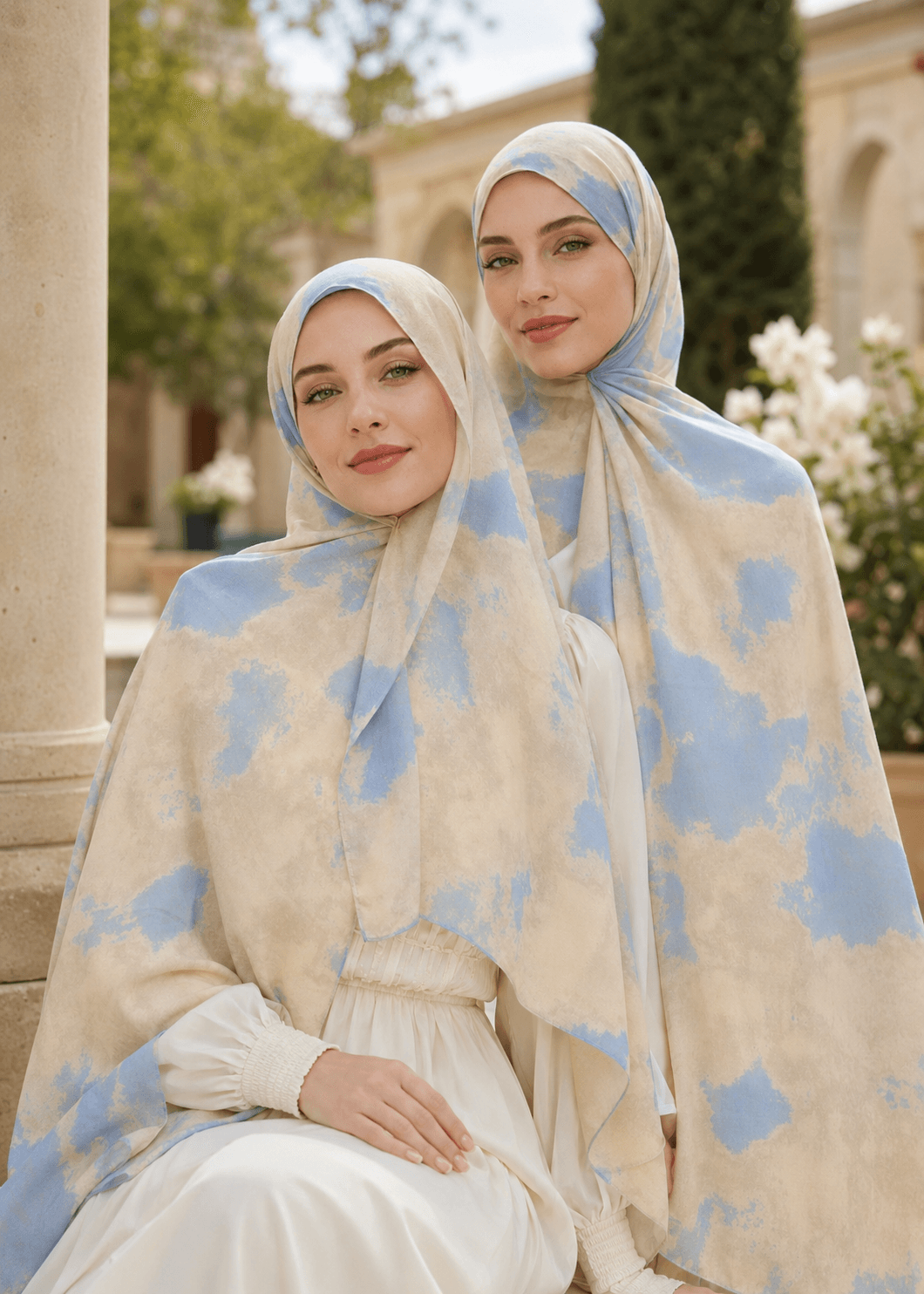
Plain hijabs compete on price; custom prints compete on identity. A signature print is something no reseller can duplicate, which is why serious boutiques and private-label brands move to custom printed modal as soon as they have proven demand. Modal is the ideal base: its soft, fluid drape and matte finish hold digital and reactive prints with a detail and softness that printed cotton or chiffon can't match.
But custom printing is also where quality goes wrong most often. Get the ink system, fabric weight or colour management wrong and you inherit the exact complaints buyers post online — bleeding, fading, cracking and a stiff, plasticky hand. This guide walks you through ordering custom printed modal hijabs the right way.
Step 1: Get Your Artwork Files Right
Print quality starts with your file, not the factory. Before you brief a manufacturer, prepare:
- Resolution — 300 DPI at final print size; low-res files produce soft, pixelated prints.
- Format — vector (AI/EPS/PDF) for geometrics and logos; high-res TIFF/PNG for photographic or watercolour designs.
- Colour reference — Pantone (TCX/TPG) codes for every brand colour, so the factory can match consistently across reorders.
- Repeat & placement — specify whether the design is an all-over repeat, a border/placement print, or corner motif. Border prints frame the face and read as premium.
- Bleed — include bleed so the pattern reaches the hijab edge cleanly after cutting.
Step 2: Choose the Right Print Method
This single decision drives hand-feel, wash durability and cost. In short:
- Digital (reactive/disperse) printing — Water-based inks dye the fibres directly, so there's no added texture and the modal keeps its soft drape. Best for complex, photographic or multi-colour designs and low-MOQ trials. Trade-off: it can fade gradually over many washes and needs care on very dark grounds.
- Screen / rotary printing — Excellent Pantone accuracy and durability for large runs of simpler designs. Trade-off: standard plastisol inks are "thicker and create a thin, rubbery layer" that "can make a delicate scarf stiff and ruin its drape" — so on modal you must specify soft-hand water-based inks.
A capable factory offers both and helps you choose by design complexity, order volume and budget. (We cover this in depth in our digital vs screen printing guide.)
Step 3: Lock Fabric Weight (GSM) and Opacity
See-through is one of the most common hijab complaints — buyers openly ask "is this extremely see-through for a hijab?" and the honest answer for many thin modals is yes in strong light. For printed modal, specify GSM in writing: our printed modal runs 130–150 GSM, a balance of opacity and drape suited to year-round wear. Always approve opacity on your palest colourway, where show-through is worst.
Step 4: Understand MOQ and Pricing Tiers
Custom printing has setup costs, so MOQ matters:
- Trial / first order: flexible factories start around 50–100 pcs per design.
- Setup: one-time screen or file-setup and strike-off (colour proof) fees are normal — treat them as design insurance.
- Volume tiers: unit cost drops meaningfully as quantity rises per design/colourway.
- Red flag: a supplier offering complex custom prints at rock-bottom prices with zero setup and tiny MOQs is usually a reseller or print-on-demand middleman, not a factory.
Step 5: Sample Before You Commit — Always
Request a pre-production strike-off and a physical sample. Check it for: print sharpness and registration, colour vs your Pantone reference, hand-feel over the printed area (should stay soft), and opacity. Wash-test it. This is your defence against the most damaging scam in the category — the sample looking perfect while bulk quietly downgrades.
Step 6: Colourfastness — Design Out Bleeding and Fading
The #1 printed-hijab complaint is colour. Real buyers report the "red colour bled across the fabric after the first wash" and wholesale batches where the "first 10 faded after 2 washes." Before bulk, ask the factory to confirm wash, rub and light colourfastness grades, and to use fibre-reactive inks rather than surface plastisol on soft modal. (Full detail in our colourfastness & QC guide.)
Step 7: Branding and Packaging
True private label goes beyond the print: custom woven labels, care/wash labels, hang tags, and branded polybags or boxes. Confirm the MOQ and setup cost for each of these up front so there are no surprises on your first invoice.
Step 8: Plan Your Lead Times
A realistic custom-print timeline: quotation in 24–48 hours, strike-off and sample in 10–15 working days, revisions in another 7–10 days, and bulk production in roughly 20–40 days depending on method and quantity. For Ramadan and Eid ranges, confirm bulk months ahead.
Frequently Asked Questions
What is the MOQ for custom printed modal hijabs?
Flexible factories typically start around 50–100 pcs per design for trial orders, with one-time setup and strike-off fees. Complex custom prints offered with zero setup and tiny minimums usually signal a reseller, not a factory.
Which print method is best for modal hijabs?
Digital (reactive) printing keeps modal soft and handles complex designs and small runs; screen/rotary printing suits large runs of simpler designs but needs soft-hand water-based inks to avoid a stiff feel. The best factories offer both.
What artwork files do I need to supply?
Provide 300 DPI artwork at final size, vector files for logos/geometrics, high-res raster for photographic designs, Pantone colour codes, and clear repeat/placement and bleed specifications.
How do I stop custom prints from bleeding or fading?
Specify fibre-reactive inks on modal, confirm wash/rub/light colourfastness grades before bulk, and wash-test your pre-production sample. Reputable factories test and disclose these grades.
The Bottom Line
Custom printed modal lets your brand own a look no one else can sell — provided the factory nails the ink system, the GSM and the colourfastness. Prepare clean artwork, choose the right print method, sample before bulk, and confirm colourfastness in writing. Arisava is a factory-direct Muslim hijab and abaya manufacturer with 10+ years of experience, digital and reactive printing, 130–150 GSM printed modal, OEKO-TEX and ISO 9001 standards, full private-label support and a 50-piece MOQ with samples in 10–15 working days. See our printed modal range or send us your print brief for a quote.
Factory Direct
Request a Free Sample from Arisava
Everything covered in this article applies to your order. Our team responds within 24 hours with a full quotation and sample timeline.